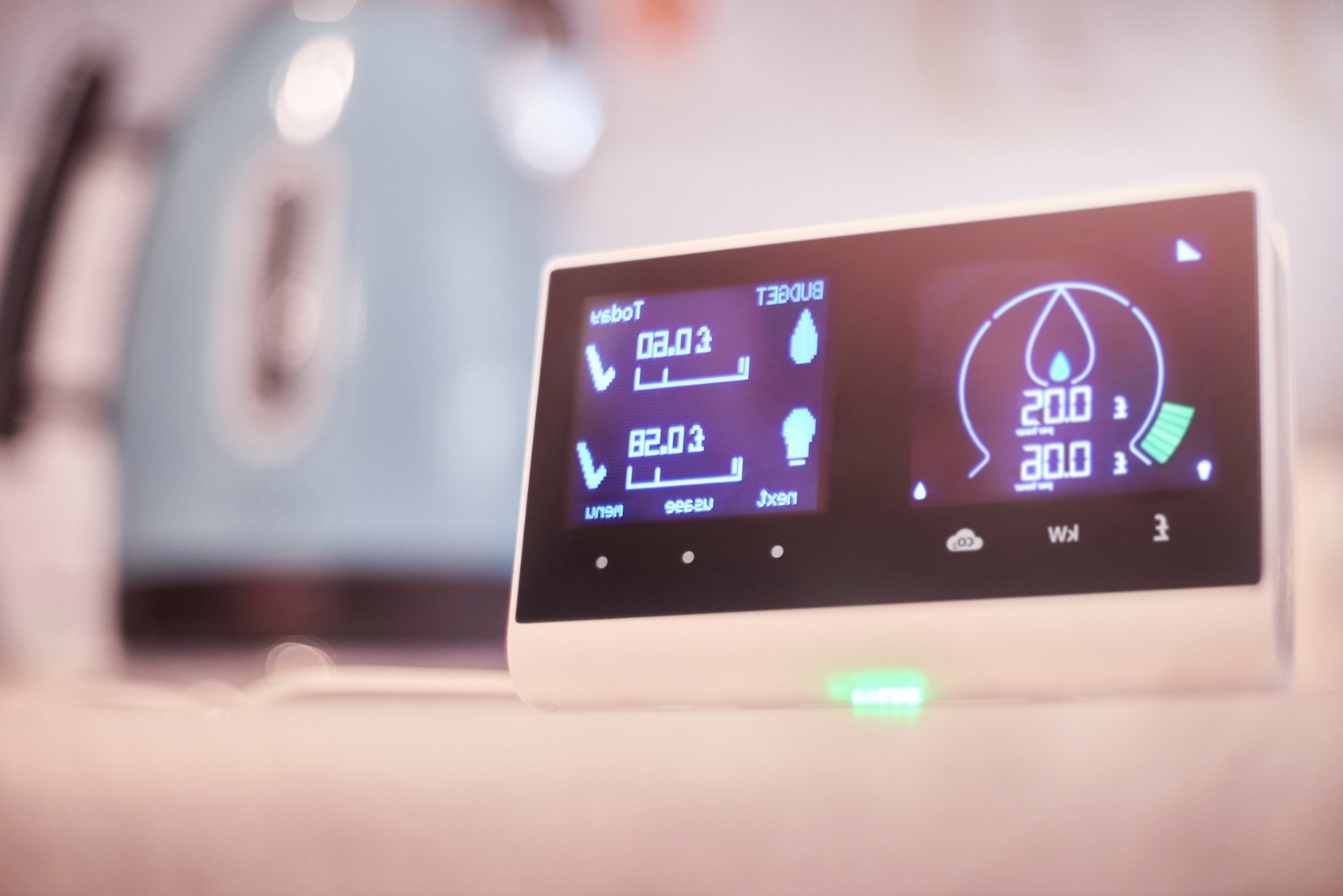
In September, the Data Communications Company (DCC) co-hosted a roundtable exploring how smart meter-enabled environmental sensing could support warmer, healthier and more energy-efficient homes.
It is a timely conversation. Millions of homes across Great Britain remain cold, damp and inefficient, with poor-quality homes estimated to cost the NHS more than £1 billion each year through their effects on physical and mental health.
The Government’s £15 billion Warm Homes Plan is accelerating investment in energy efficiency, raising an important question.
How do we know whether those interventions are actually working?
Today, decisions about a home’s energy performance still rely heavily on models and assumptions. But we increasingly have the technology to measure actual performance, using temperature and humidity data.
Of course, environmental sensors already exist, and different organisations are already using them. So, the question we started asking ourselves at DCC was quite simple: Could we use infrastructure that is already there?
Making more of what we already have
Great Britain has spent more than a decade building a secure national communications infrastructure for smart meters, now connecting over 23 million homes.
But what if we could use that infrastructure to do more? The Internet of Things, or IoT, is already allowing everyday devices and sensors to collect and share useful information. Our Smart Meter Enabled Environmental Sensing work, or SMEES, is exploring how that same principle could work over the smart meter network, using the existing infrastructure to securely retrieve temperature and humidity data from sensors in the home.
For businesses already developing sensors and services, this could open up another option: a secure national route to access data and potentially bring their services to more homes.
For me, this is where it gets particularly interesting.
So what could we actually do with this?
The first is around cold, damp and mould.
With requirements on landlords becoming stronger, consistent temperature and humidity information could help them identify problems earlier rather than waiting until somebody reports them. For residents, that could mean earlier intervention and warmer, safer homes.
The second is energy efficiency.
Looking at energy use alongside indoor temperature can build a better picture of how a home performs, helping target improvements and understand whether they deliver what we expected.
It can also make a very practical difference. Our initial analysis estimates that more accurate heat-pump specification could deliver savings of 15 to 20 per cent, typically £1,500 to £2,100 per property.
Research also indicates that retrieving environmental data is technically feasible within the existing smart metering architecture. But we should not assume the answer: an enduring service would need the right privacy, regulatory, governance and funding arrangements.
So now what?
We have worked with the University of Salford and organisations across housing, energy, technology and policy on the initial case, building on government-funded innovation projects and engagement with government, Ofgem and the wider sector.
The next step is to test the case properly. We are developing a staged evidence programme to understand what additional value DCC could offer alongside existing approaches.
That means looking at cost, coverage, data quality, access and consent, and the benefits of a more consistent national dataset. Only if the evidence is strong enough would we look to progress towards a live trial using DCC systems.
When we talk about innovation, the instinct can be to think immediately about building something new.
Sometimes the bigger opportunity is to look at what we already have and ask whether it can do more.

 6 mins
 12.11.2026